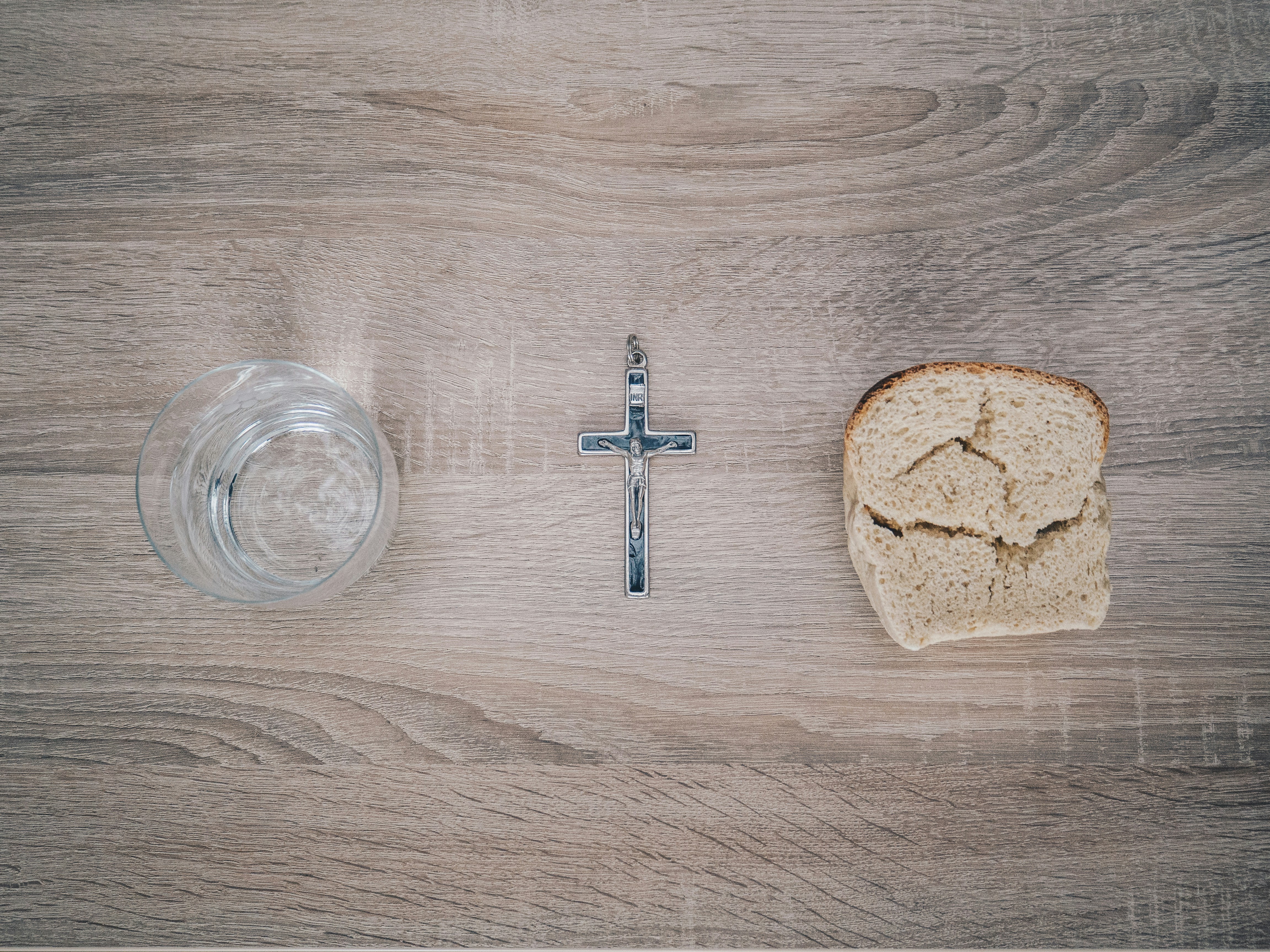
Communion Meditation September 06
I have glorified thee on the earth: I have finished the work which thou gavest me to do. – John 17:4
Tomorrow our nation will enjoy a day off of work as we celebrate Labor Day, which began as a way of honoring and relieving those laborers who made up the human machinery of the Industrial Revolution. Which, in turn, laid the foundation for the comfortable world in which we live. Not that Labor didn’t exist prior to the Industrial Revolution. Labor and toil has been the norm for most of human history.
The comforts, technology, and prosperity we enjoy today really are built upon the lives of others. It has taken all of human history to bring us to this place of prosperity, and like roads in the Old World that are built on top of the tombs of their ancestors, we drive our motorized carriages on the pavement built by the blood, sweat, and tears of our ancestors. Every day we make use of inventions that would have been beyond any single individual to conceive of, but which grew up amidst the toils of human endeavor.
Our Lord was a laborer. Unlike so many of the academic elites who drive the conversation about workers in the modern world – men who have never known a blister or fought a rusted bolt – . Jesus of Nazareth was a worker all of his life. But at age 30 he gave up the work left to him by his earthly father Joseph, most likely having established his siblings in adulthood with the ability to earn their own living, and took up the work of His heavenly Father. While his work as a carpenter was no doubt physically taxing, it would pale in comparison to the labor of love represented by Calvary.
The gospel narratives take place over 3.5 years of time, and yet the driving emphasis is always the last week of Christ’s life. For example, less than halfway into his gospel, Luke (9:51) already records that Jesus has set his face to go towards Jerusalem. The miracles of Jesus are a genuine work. The teachings of Jesus are a genuine labor. But the heart of the work of Christ is to die on the cross as an atonement for our sins.
As we observe the Lord’s supper today, we remember and honor that labor. We give our gratitude to the millions whose labor gifted us with the comforts of the modern world. But even more, we give our gratitude to the One Man who did the greatest work. He is the only man who could have done the One Work of which all of mankind is in need. And those who receive that Good Work are called by His Name.


